
Pasadena surveillance concentrated in black and brown communities.
call for the end of surveillance now!
The City of Pasadena is revising the Fair Oaks / Orange Grove (FOOG) Plan to include environmental and restorative justice principles to honor the area’s Black legacy and intercultural heritage. It aims to address the historical disinvestment and discrimination of the community.
The excessive policing and surveillance of this community are conspicuously absent from this conversation. This is despite the fact that 1/3 of Pasadena’s deployed Flock ALPR cameras are in the FOOG plan area.
Tell Pasadena City Council to STOP SURVEILLANCE OF OUR BLACK AND BROWN COMMUNITIES!

The Pasadena Police Department (PPD) is currently operating 61 Flock Safety cameras around the city and they want 11 more.
Flock cameras are Automated License Plate Readers, or ALPRs. But they don’t just track license plates. These cameras surveil and track people, and have been used by ICE and DHS to track down and deport innocent people.
Pasadena deserves better. We know that safety is not brought about by surveillance and policing. True safety comes from community and life-giving infrastructure.
This page exists to keep residents informed, share verified information, and coordinate us to take action.
What is Flock?
Flock Safety is a company that sells surveillance camera technology to law enforcement and private entities.
Flock ALPR cameras are being used for indiscriminate surveillance, tracking and targeting of countless individuals. While Flock, law enforcement and city government tout the benefits of automated license plate readers for public safety, in reality it endangers everyone - in particular immigrants and their families, people of color, people seeking sensitive healthcare, and the many exercising civil liberties like free speech.
Flock cameras and technology…
👁️ Infringe on our right to privacy and give police too much power to surveil us
🧊 Have been used by ICE and DHS to track and deport immigration targets
💸 Are an expensive waste of money that could otherwise go into community programs
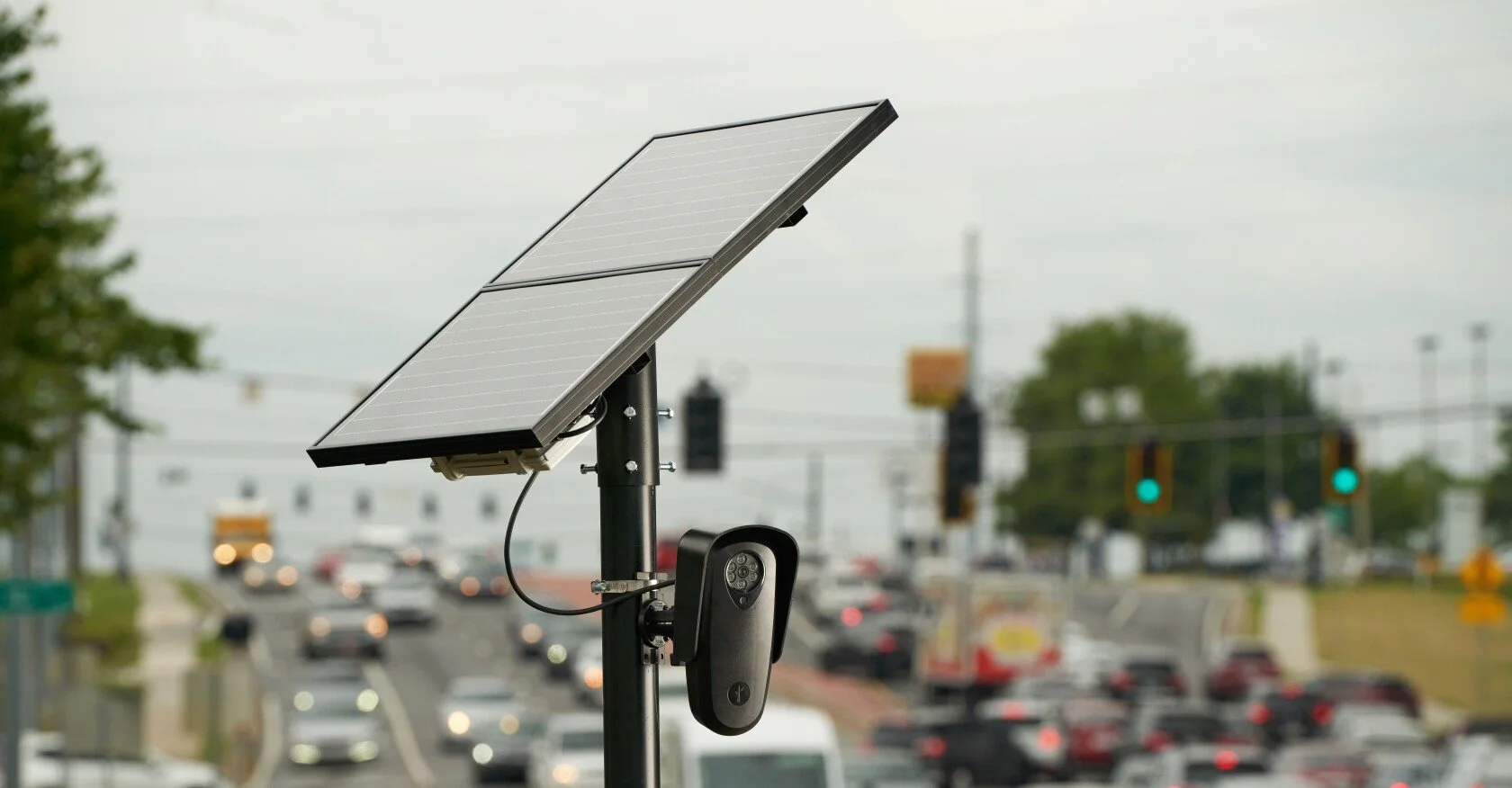
Flock camera mounted on a pole, powered by a solar panel. (Image Source: GovTech)
Flock's indiscriminate surveillance is in conflict with constitutional protections and numerous civil liberties groups such as the ACLU and the Electronic Frontier Foundation arguing that the technology infringes on Americans’ right to privacy under the Fourth Amendment. Despite repeated attempts from Flock to reform their system, it is apparent ALPR is problematic, insecure and can have devastating consequences for innocent individuals. Academics, researchers and experts overwhelmingly agree that there's a lack of evidence linking flock to crime reduction rates. Law enforcement says Flock is a "useful tool" - yes, it's useful in diverting resources that would otherwise go towards community oriented public safety solutions.
Where is Flock?
There are currently 61 Flock cameras around Pasadena, but unevenly distributed. And the City wants to purchase more.
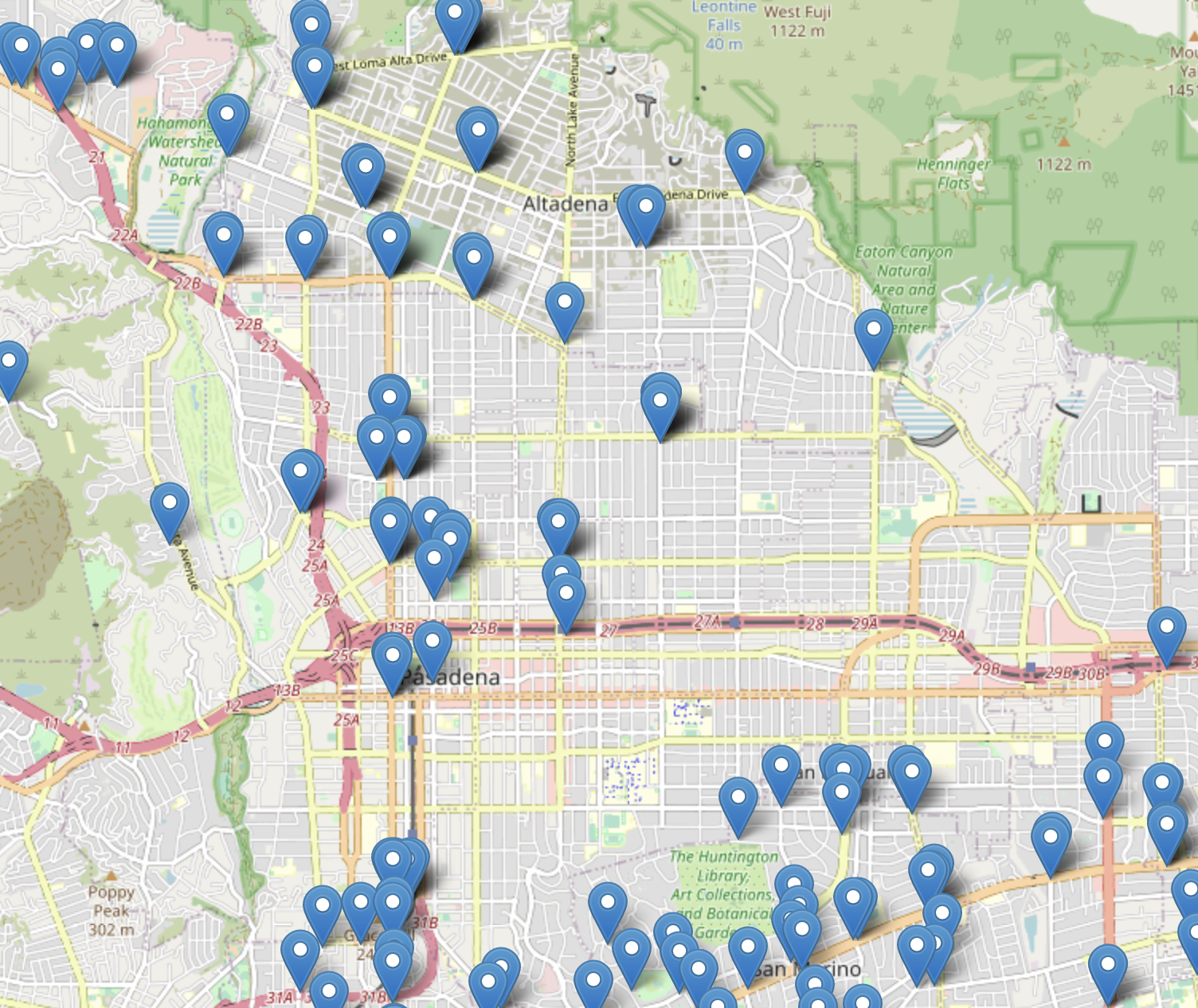
Flock ALPR Pasadena Map (ALPRwatch.org)
Notably, Districts 3 and 5 have way more cameras than the other districts, while Districts 4 and 7 have none.
Districts 3 and 5 are far more policed than other districts, indicating that the Pasadena Police Department is putting more cameras in areas that it thinks of as “high crime” zones.
Reporting by NBC shows Pasadena Flock camera’s data was accessed by numerous law enforcement agencies across California and out-of-state including the FBI, ICE and NCRIC!
In one instance, Pasadena’s database was searched for “ICE Protest” - the same day a rally was held outside a San Bernardino detention facility.
Flock ALPR is being used to track people exercising free speech!
However, recently, Pasadena PD quietly stopped sharing data with NCRIC - a fusion center in California that collects and shares “information between the federal government and state, local, tribal, and private sector partners” - after NBC reached out to Pasadena to ask why it it was sharing ALPR data with NCRIC.
This reporting shows Flock can be linked to a Real Time Crime Center, another network of cameras and integrates with various surveillance tools and database systems. Yes, Pasadena wants a Real Time Crime Center as well, they use the nickname “Active Intelligence Center”, but it’s a RTCC nonetheless.
What can we do?
We are calling on the Pasadena City Council to:
Disable and remove all Flock Safety cameras around Pasadena. The cameras and their data could be requisitioned by Federal agencies like ICE at any moment. The only way to protect ourselves is to shut down and remove Flock cameras.
Commit to canceling the contract with Flock in September when it’s up for renewal. Pasadena should not renew its Flock contract and instead of funding mass surveillance, work with the community to support alternative public safety measures.
Do not replace Flock with another ALPR vendor. All ALPR - regardless of vendor - still carry privacy risks, are ripe for abuse and misuse.
Commit to using the money instead to fund community-based initiatives, not more ALPRs or surveillance tech. We know that more surveillance technology will not keep us safe. We need the Council to commit to a vision of true community safety that’s based in evidence and thoughtful consideration of what the community wants.
Pasadena should join dozens of cities across the country who have ended their contracts with Flock, removed cameras and rejected any ALPR replacements such as Los Altos Hills, Mountain View, Santa Clara County, Santa Cruz, and others.
Tell Pasadena to stop using Flock
Tell our elected officials that Flock and ALPRs are not welcome in Pasadena
see what others are saying about flock
Flock is under heavy scrutiny. Learn more about the controversy about the use of ALPR and dig into the data
take action and
Get Involved
Get involved with the campaign to end Flock ALPR and stop surveillance
frequently asked questions
Doesn’t Flock ALPR HElp solve crimes?
1
The ends don’t justify the means. Flock ALPR is warrantless mass surveillance that tracks the movements of cars and people - even if not involved in any crime.
does pasadena share ALPR out of state or with federal agencies?
2
Yes, it has been documented that Pasadena Police Department both shared ALPR data with out-of-state agencies, and their ALPR network has been accessed by federal agencies.
aren’t there laws to regulate the use of ALPR?
3
Yes, the state of California passed ALPR regulation, however, law enforcement agencies across the state have been violating state law for years.
does pasadena regulate ALPR at the local level?
4
No, Pasadena City has not imposed any guardrails or regulations on the use of ALPR by the Police Department. The PPD use policy is based on a Lexipol policy template and PPD gets to decide on its own how to use and administer the Pasadena ALPR cameras.
Pasadena has no surveillance oversight body, no technology guardrail ordinance, no privacy officer, and no formal mechanism ensuring that there is community input before buying or deploying technologies with surveillance capabilities.